
The closure of the Strait of Hormuz, which makes Persian Gulf crude oil and energy products effectively inaccessible, has resulted in many countries imposing fuel rationing. The decreased access to fuel also means refiners will have to start making decisions about what sorts of fuel they prioritize in their refining. Jet fuel has a unique position in the crude oil refining “stack,” which could quickly lead to shortages for the aviation industry.
Jet fuel and diesel fuel are kerosene-type fuels, which are quite different from gasoline. A refiner can get about four gallons of jet fuel out of a 40-gallon barrel of oil, and could choose to produce more diesel at the expense of jet fuel, or vice versa.
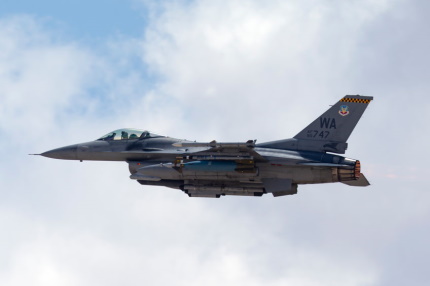
A further challenge is that different types of oil will produce more or less kerosene fuel. The light sweet crude produced in the U.S. shale plays is much more suited to making gasoline, which explains why the U.S. imports crude oil, even though it produces more oil overall than it consumes. Jet fuel (and diesel) production requires heavy sour crude oil, the majority of which comes from the Middle East; however, U.S. refiners have access to sour crudes not sourced from the Persian Gulf. Oil from Venezuela and Canada provides the types needed by U.S. refining companies to produce a full slate of fuels. But Asian and European countries, which do not have access to crude oil coming from the Americas, may face severe jet fuel shortages if the Strait of Hormuz remains closed for an extended period.
A jet fuel shortage in any part of the world will drive up the price of aviation fuel around the world. The global shortage should result in greater profits for the U.S. refiners.
There are three large, mostly pure-play refining companies in the U.S.:
● Marathon Petroleum Corporation (MPC), with a $66 billion market cap
● Phillips 66 (PSX), with a $65 billion market cap
● Valero Energy Corporation (VLO), with a $70 billion market cap
These three stocks are up between 55% and 108% over the last year. However, they still trade at P/Es of around 10.
The Iran war and the Persian Gulf shutdown will have lasting effects on the global energy scene. U.S. refiners will find ready and profitable markets for their diesel and jet fuel production. Any one or all three of these would be a great addition to your portfolio.
Why You Don’t Need Anything Close to $1.5 Million to Retire
Financial advisors say you need $1.5M to generate $5,000/month. A revolutionary new investment does it with potentially $150,000... even less in some cases. Kelly G: "I updated my spreadsheet and it seems illegal. The income keeps growing." Transform non-dividend stocks like Apple and Tesla into monthly income machines. Bloomberg reports they're "entering a golden era." Simple as buying a stock. Watch the presentation that shows you all of the steps, click here.